Sheet Piling
Engineering Stability Below Ground. Protecting Infrastructure Above It.
Advanced Earth Retention Systems for Safe, Efficient and Sustainable Construction
As cities expand, infrastructure becomes denser and construction sites become increasingly constrained. Deep excavations are now routinely carried out adjacent to highways, railway corridors, rivers, commercial developments, industrial facilities and existing structures where conventional excavation methods are no longer adequate.
At Amihir Infra Private Limited (AIPL), we provide engineered Sheet Piling Solutions that stabilise excavations, retain soil, control groundwater ingress and protect surrounding infrastructure throughout the construction process.
Whether supporting bridge foundations across the Brahmaputra basin, constructing deep basements in urban environments, protecting riverbanks against erosion, or developing industrial facilities, our sheet piling systems combine geotechnical engineering, structural design and construction expertise to deliver safe, economical and reliable earth-retention solutions. Because every excavation deserves the same level of engineering as the structure it supports
Why Sheet Piling Matters
Excavation is one of the most underestimated stages of construction.
Every metre excavated changes the natural balance of soil and groundwater. Without adequate support, excavation faces can collapse, neighbouring structures may experience settlement, utilities can be damaged, and groundwater infiltration can delay or even halt construction.
Sheet piling provides a temporary or permanent retaining system capable of safely resisting lateral earth pressures while maintaining excavation stability.
It allows engineers to create deeper, safer and more efficient excavations in locations where open cutting is either impractical or unsafe.
Engineering Insight
Retaining Soil Is About Managing Forces, Not Installing Steel
A sheet pile wall is much more than a row of interlocking steel sections.
It is a structural system designed to resist the complex interaction of:
- Active Earth Pressure
- Passive Earth Resistance
- Hydrostatic Pressure
- Surcharge Loads, Traffic Loading
- Construction Equipment Loads
- Seepage Forces
- Seismic Effects
- Differential Ground Movement
Before selecting a sheet piling solution, our engineers evaluate:
- Soil stratification
- Shear strength parameters
- Groundwater levels
- Excavation depth
- Proximity of adjacent structures
- Utility corridors
- Required service life
- Environmental considerations
The result is a retaining system designed specifically for the project—not a standard solution applied to every site.
What is Sheet Piling?
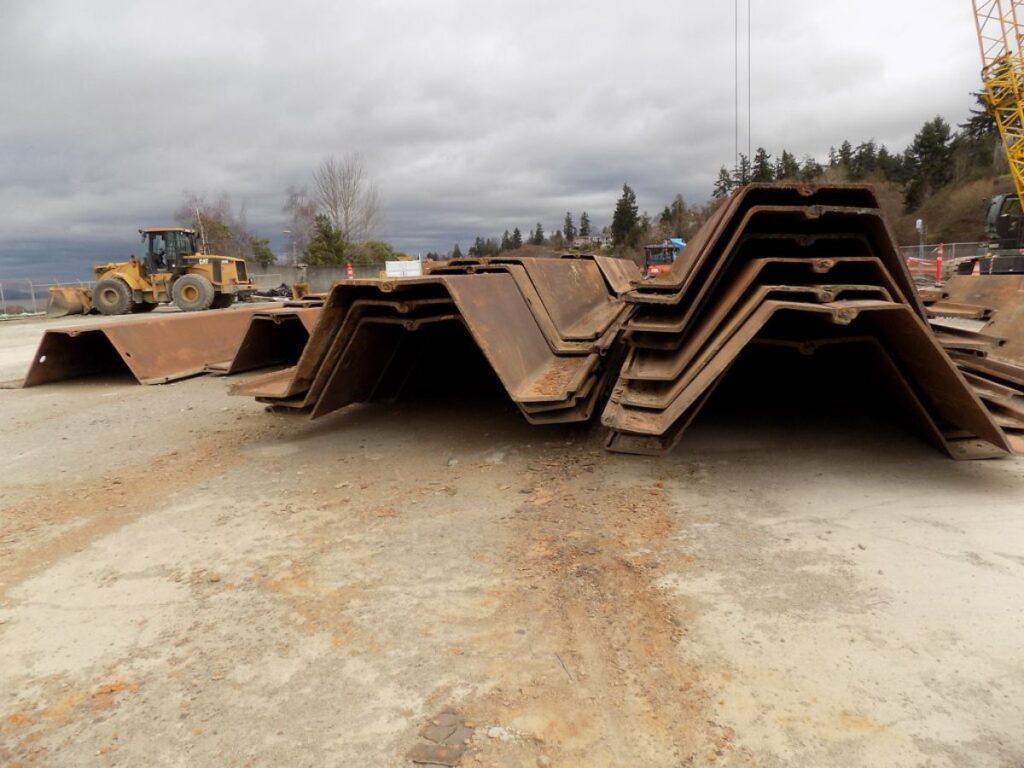
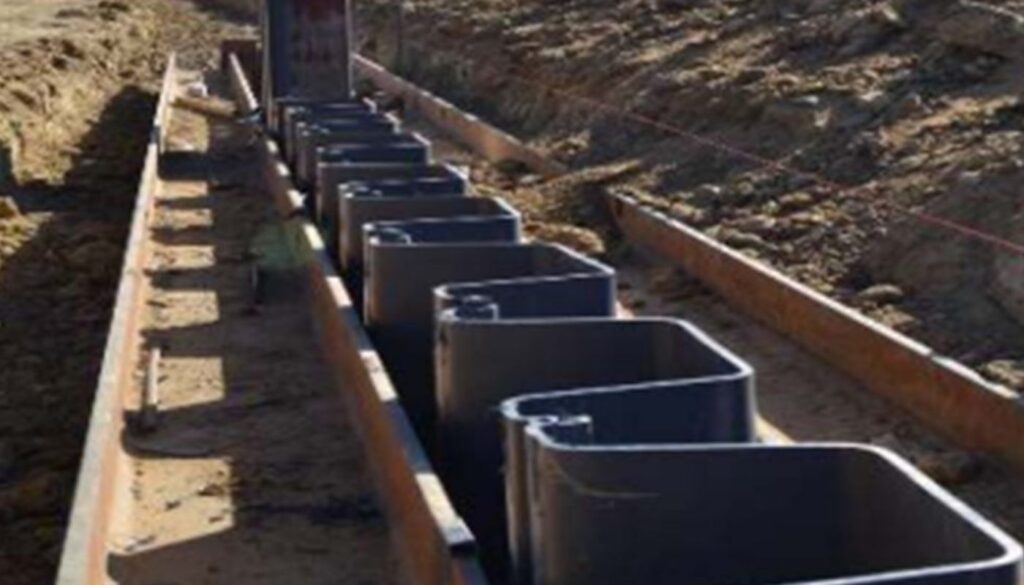
Sheet piling is an engineered retaining system formed by driving or vibrating interlocking steel sheet piles into the ground to create a continuous wall.
Depending on project requirements, sheet piles may serve as:
- Temporary earth-retention systems
- Permanent retaining walls
- Cofferdams
- Flood protection structures
- Riverbank stabilisation systems
- Marine retaining structures
- Excavation support systems
Because installation requires minimal excavation, sheet piling is especially valuable where surrounding infrastructure must remain operational during construction.
Our Sheet Piling Services
AIPL provides complete engineering and execution services for sheet piling projects.
Temporary & Permanent Sheet Piling
Temporary Sheet Piling
Designed to support excavations during construction while protecting nearby structures and utilities.
Applications include:
Basement construction
Foundation excavation
Utility trenches
Bridge works
Pumping stations
Industrial construction
Permanent Sheet Piling
Where long-term earth retention is required, permanent sheet pile walls provide durable structural performance with reduced maintenance.
Typical applications include:
River training works
Flood protection
Retaining walls
Waterfront developments
Industrial facilities
Port infrastructure
Cofferdam Construction & Riverbank Protection
Cofferdam Construction
Construction below the groundwater table often requires temporary exclusion of water.
Our cofferdam systems enable:
Bridge pier construction
River crossings
Intake structures
Pump houses
Marine works
Hydraulic structures
Each cofferdam is designed considering hydraulic loading, seepage, uplift and construction sequencing.
Riverbank Protection
Across Northeast India, river erosion poses a significant challenge to infrastructure and communities.
Sheet piling provides an effective solution for:
Riverbank stabilisation
Bridge approach protection
Embankment strengthening
Flood mitigation works
Critical infrastructure protection
Amihir Infra
Did You Know?
A difference of only one metre in groundwater level can significantly increase the lateral pressure acting on an excavation support system.
This is why groundwater assessment is just as important as soil investigation when designing sheet pile walls.
Successful earth-retention engineering begins with understanding both soil and water.
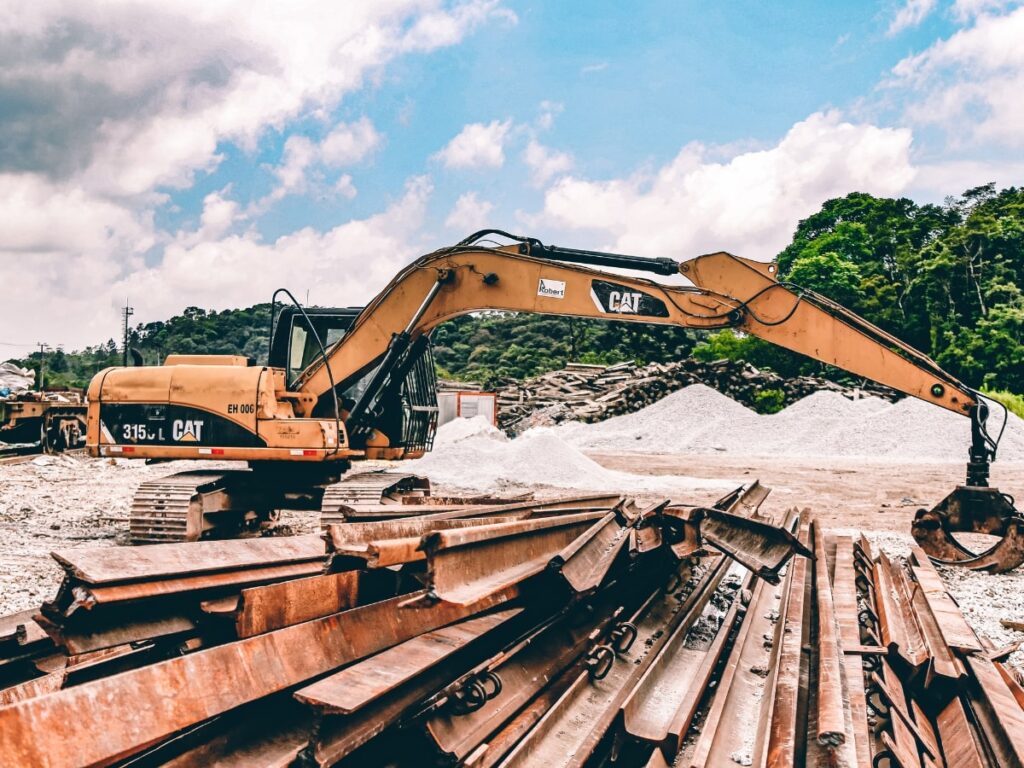
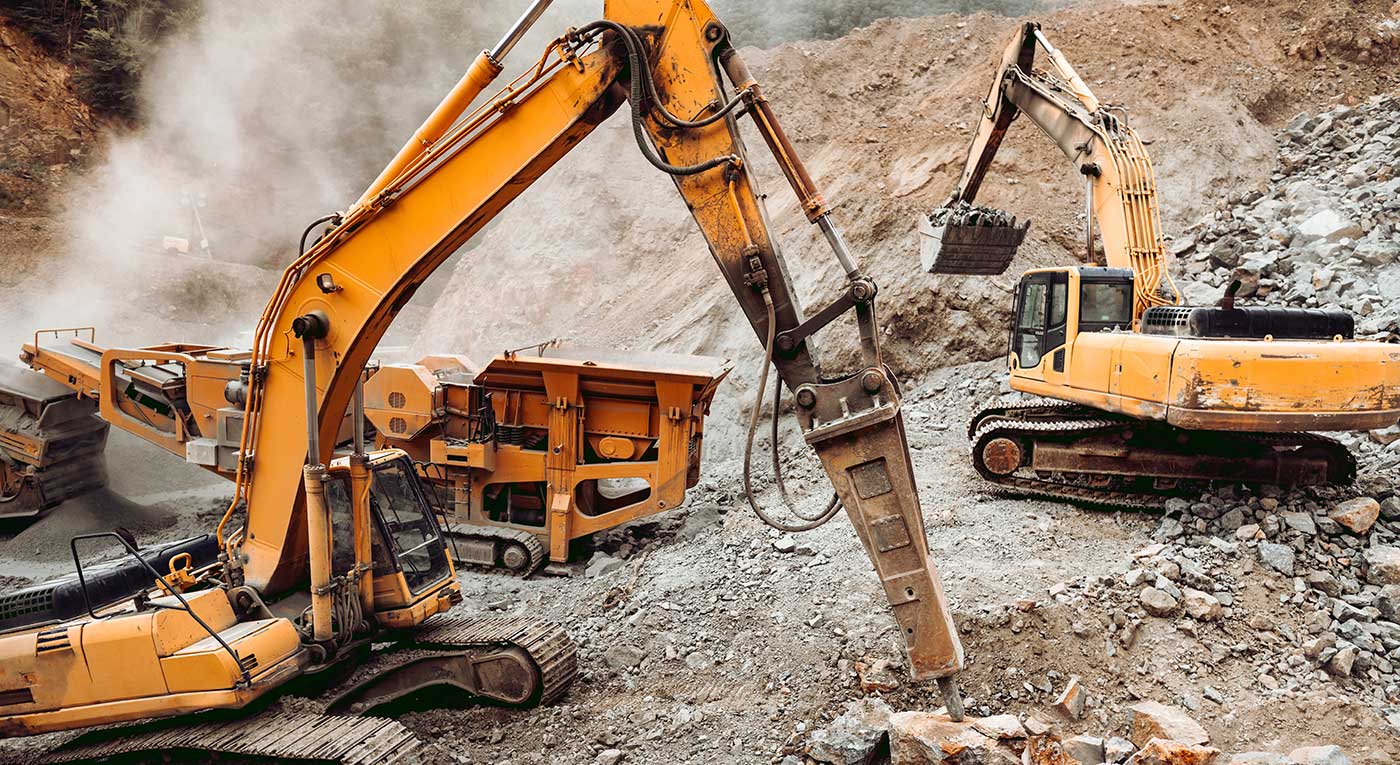
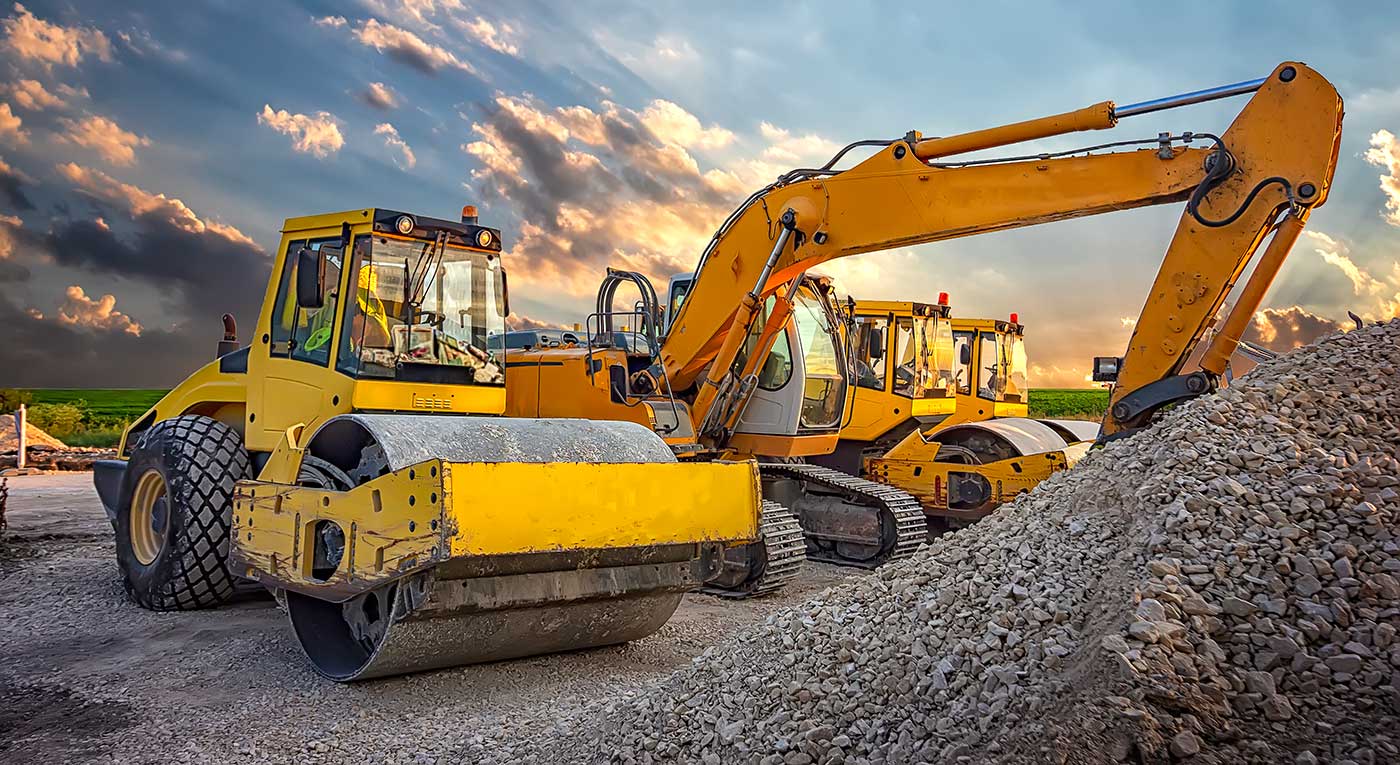
Equipment & Technology
Reliable execution requires specialised equipment and experienced operators.
Typical equipment includes:
- Vibratory Hammers
- Hydraulic Impact Hammers
- Silent Piling Presses (where applicable)
- Crawler Cranes
- Excavators
- Hydraulic Power Packs
- Sheet Pile Extractors
- Survey Instruments
- Total Stations
- Laser Levels
- Dewatering Systems
Modern equipment improves productivity while reducing noise, vibration and environmental impact.
Code Corner
Engineering Built on Recognised Standards
AIPL designs and executes sheet piling systems in accordance with applicable project specifications and recognised engineering standards, including:
- IS 9527 – Sheet Piles (where applicable)
- IS 800 – General Construction in Steel
- IS 456 – Plain and Reinforced Concrete (for associated structural works)
- IS 2911 – Pile Foundations (interface with foundation systems)
- IRC specifications for bridge and highway projects
- MoRTH specifications for transportation infrastructure
- Relevant international guidance where project requirements demand
Engineering judgement remains central to the application of every standard.
Engineering in Northeast India
Retaining Earth in a Region Shaped by Water
Few regions in India present earth-retention challenges comparable to Northeast India.
Projects frequently encounter:
- Soft alluvial deposits
- High groundwater tables
- Riverbank erosion
- Seasonal flooding
- Heavy monsoon rainfall
- Seismic Zone V
- Restricted construction access
- Environmentally sensitive locations
These conditions demand retaining systems capable of maintaining excavation stability while minimising environmental disturbance.
Our regional experience enables us to tailor sheet piling methodologies to the unique geological and hydrological conditions of the Northeast.
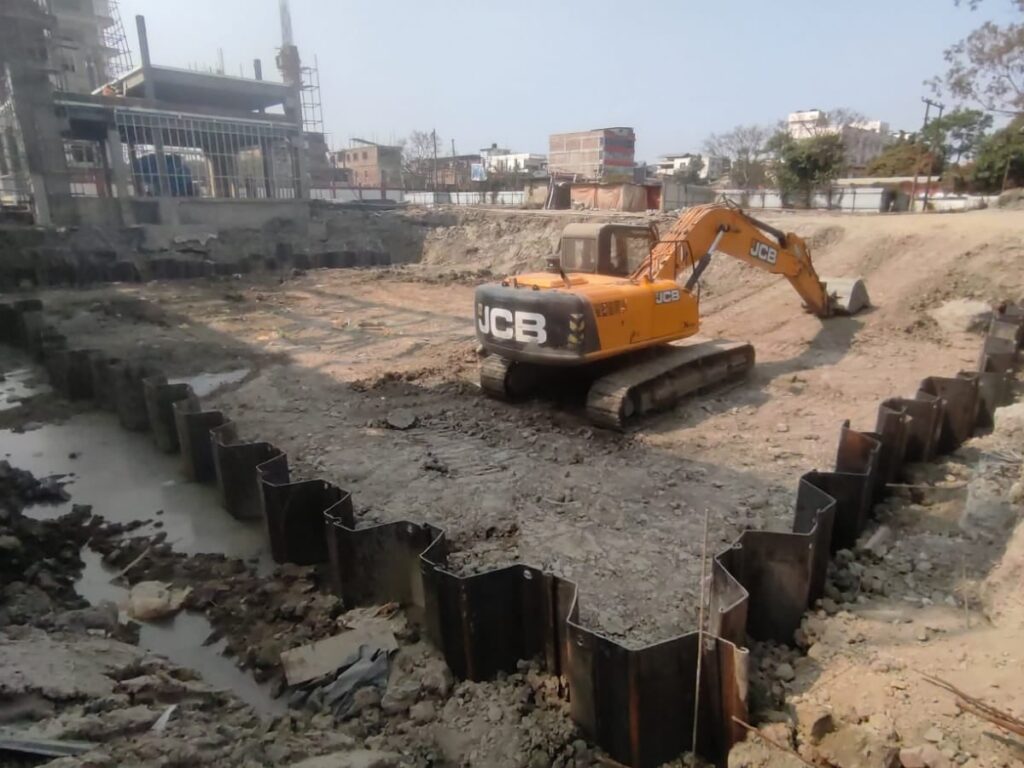
Engineering should minimise its footprint while maximising long-term value
Sustainability Through Trenchless & Low-Impact Construction
Engineering should minimise its footprint while maximising long-term value.
Sheet piling contributes to sustainable construction by:
- Reducing excavation volumes
- Minimising spoil generation
- Protecting adjacent ecosystems
- Allowing reusable steel sections for temporary works
- Reducing restoration requirements
- Shortening construction programmes
- Improving worker safety
These benefits align with modern infrastructure practices and the growing emphasis on environmentally responsible engineering.
Why Choose Amihir Infra?
Choosing a sheet piling contractor is not simply about equipment—it is about engineering capability.
Our objective is simple: to create retaining systems that protect people, infrastructure and project schedules.
Clients choose AIPL because we offer:
- Integrated geotechnical and structural expertise
- Experienced earth-retention engineers
- Modern installation equipment
- Strong understanding of Northeast India’s geology
- Proven construction methodologies
- Commitment to safety and quality
- Efficient project management
- Reliable execution from investigation through completion