
Concrete, Compassion, and the Case for the Northeast
Somewhere between reviewing a piling report and finalising a Kaziranga itinerary, Amitabh Sarma sat down for an unusually candid conversation about roads, rivers, policy, and why he keeps showing up at relief camps when he technically doesn't have to.
A Conversation with Amitabh Sarma, Co-Founder, Amihir Infra Pvt. Ltd. & Eventours Travels LLP
A personal interview with Amitabh Sarma
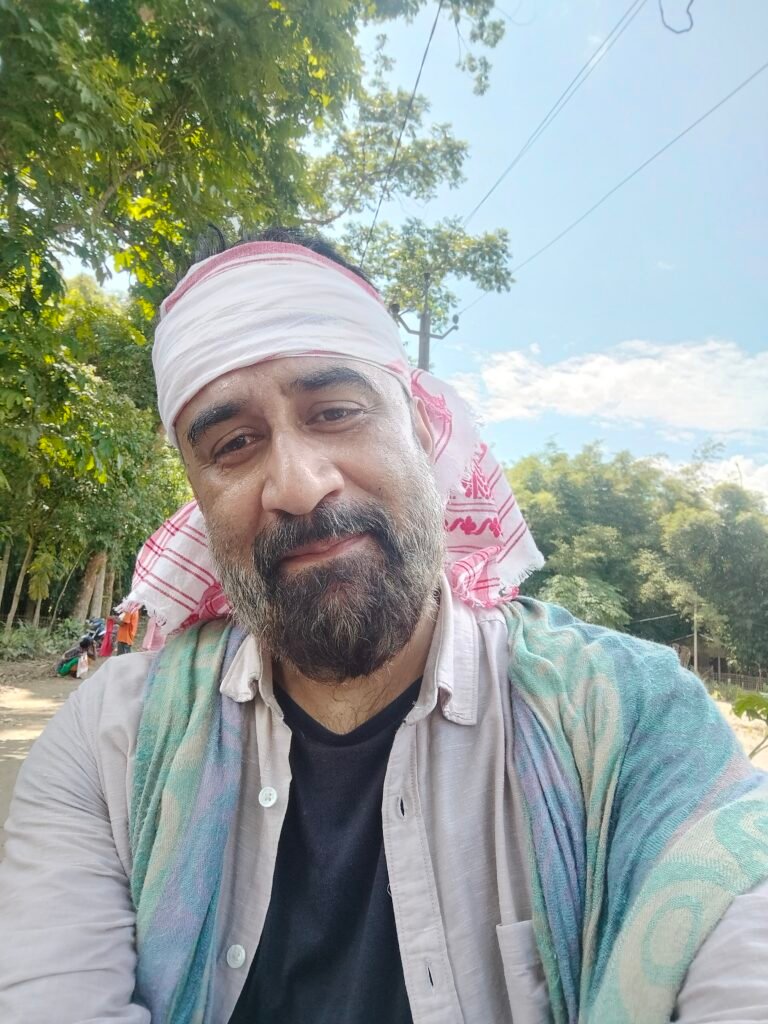
Interview with Amitabh Sarma, co-founder of Amihir Infra and Eventours Travels — and it's worth your time.
Most founders in infrastructure don’t also run a travel company. Amitabh Sarma does both, and his explanation for why is more interesting than the usual diversification pitch: one removes the physical friction holding the Northeast back, the other removes the perceptual one — the idea that this region needs a special reason to visit rather than being reason enough on its own.
The Newswire: You came from a background in technology and services. What made you trade that for concrete, cranes, and — improbably — curated holidays to Kaziranga, in the same calendar year?
Amitabh Sarma: I'd call it a return rather than a leap. I'd spent years watching other regions get built — literally and figuratively — while Assam and the Northeast stayed a footnote in most boardroom conversations. At some point you stop being a spectator to your own home's potential. Amihir Infra happened because the region needed people willing to build the unglamorous stuff — piling, structural work, soil testing — properly and on schedule. Eventours Travels happened because I got tired of the Northeast being marketed as a rumour rather than a destination. Both are the same instinct wearing different uniforms.
The Newswire: Infrastructure and tourism don't usually share a business card. What's the actual through line, or is this just diversification dressed up as philosophy?
Amitabh Sarma: Fair challenge. Here's the through line: both businesses are in the business of removing friction. AIPL removes the physical friction — the roads that aren't there yet, the ground that hasn't been tested, the buildings that need engineering rather than guesswork. Eventours Travels removes the perceptual friction — the idea that the Northeast is somewhere you need a special reason, or a special permit mindset, to visit. You can't sell a region's story convincingly if the roads to it are unreliable, and you can't justify building those roads if nobody believes there's a reason to travel them. So, I build both ends of the same argument.
The Newswire: If Northeast India had to pitch itself to the world in a single sentence, boardroom-style, what would that sentence be?
Amitabh Sarma: "The last genuinely undiscovered frontier that already has the infrastructure of ambition, if not yet of concrete." It's eight states, more languages than most continents, a location that quite literally hinges India to Southeast Asia, and biodiversity that makes the rest of the country look monochrome. My honest pitch isn't "come see something exotic" — it's "come see something that's about to stop being a secret, and you'd rather be early."
The Newswire: You clearly pay attention to how other economies get things right. If you could import one global best practice into Assam tomorrow — and you're not allowed to say "better Wi-Fi" — what would it be?
Amitabh Sarma: I'd take the Netherlands' relationship with water. They stopped treating floods as an enemy to be defeated and started treating rivers as long-term tenants to be negotiated with — their "Room for the River" philosophy redesigned entire floodplains instead of just building higher walls. Assam has the Brahmaputra doing roughly the same thing to us every monsoon that the Rhine and Meuse once did to the Dutch. We don't need to copy their engineering line for line, but that shift in posture — from fighting the river to designing with it — is worth studying seriously. I'd pair it with Bhutan's "high value, low impact" tourism model, which we already draw on at Eventours Travels when we design our Bhutan itineraries — proof that a small Himalayan neighbour figured out how to monetise pristine without destroying pristine.
The Newswire: Government and entrepreneurs everywhere have a complicated relationship. How has that played out for you, specifically in Assam?
Amitabh Sarma: Better than the popular narrative would suggest, honestly. AIPL carries DPIIT Start-up India recognition and UDYAM MSME registration, and Assam's new Startup & Innovation Policy 2025–30 backs that up with real capital — a state outlay in the hundreds of crores aimed at taking startups from ideation through to venture-scale funding, not just another certificate on the wall. Assam is already the leading startup ecosystem in the Northeast by a wide margin. My honest hope isn't for more schemes — it's for those schemes to keep translating from policy documents into disbursed capital and incubator floor space at the same pace they're announced. That last-mile execution gap is universal, not particularly Assamese, and I'd rather spend my energy closing it than complaining about it.
The Newswire: A lot of founders treat CSR as a line item filled in once a year to satisfy a compliance requirement. You seem to treat it differently. Why?
Amitabh Sarma: Because I don't think the distinction between "business" and "community" holds up under any real scrutiny. If the neighbourhood my equipment yard sits in is underwater, my equipment yard is underwater. If a family in the districts we operate in can't get a cancer patient fed properly during treatment, that's not a separate universe from the one my business operates in — it's the same universe, just a part of it I haven't been asked to price yet. I'd rather show up before I'm asked.
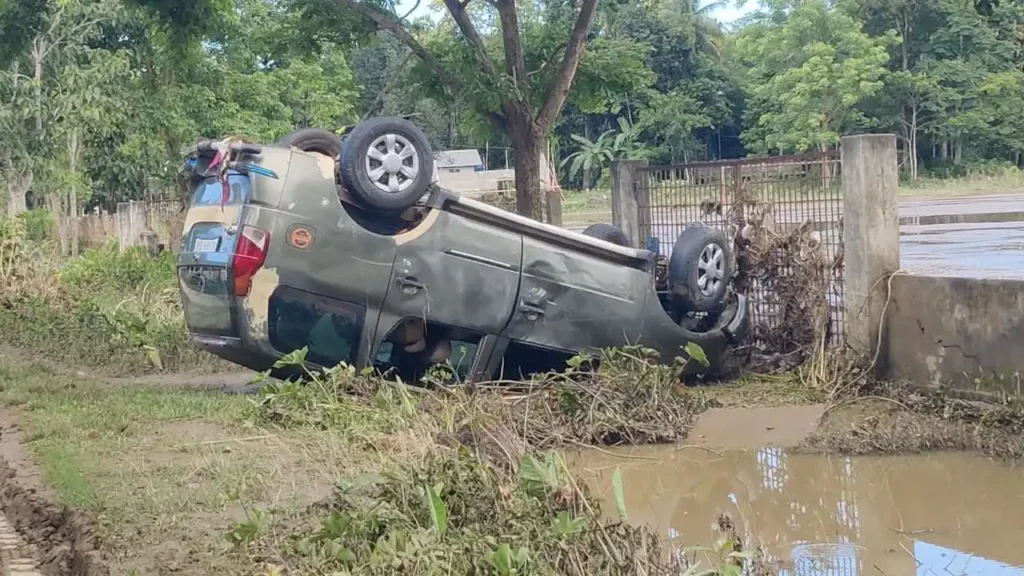
The Newswire: This year's floods have been particularly severe — well over seven lakh people affected and dozens of lives lost, with the toll still climbing at the time we're speaking. What did you actually do about it, beyond a sympathetic social media post?
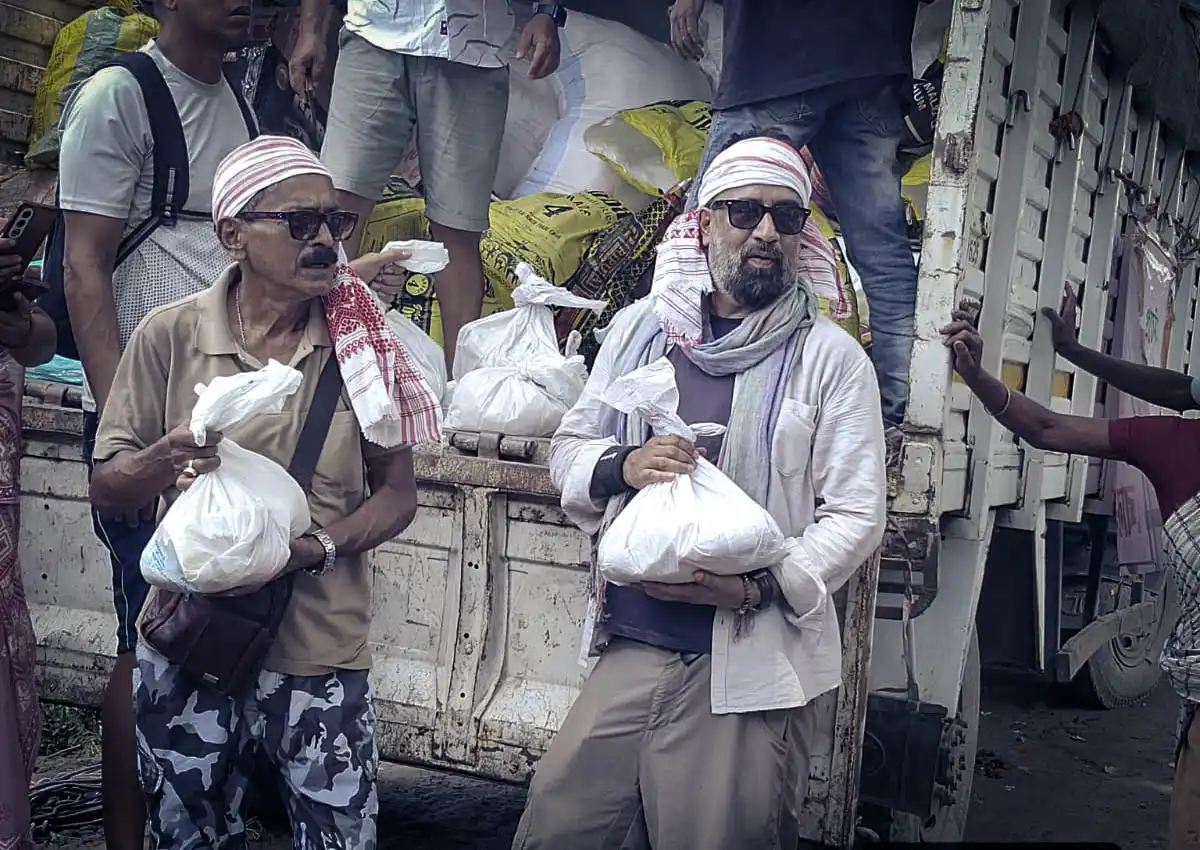
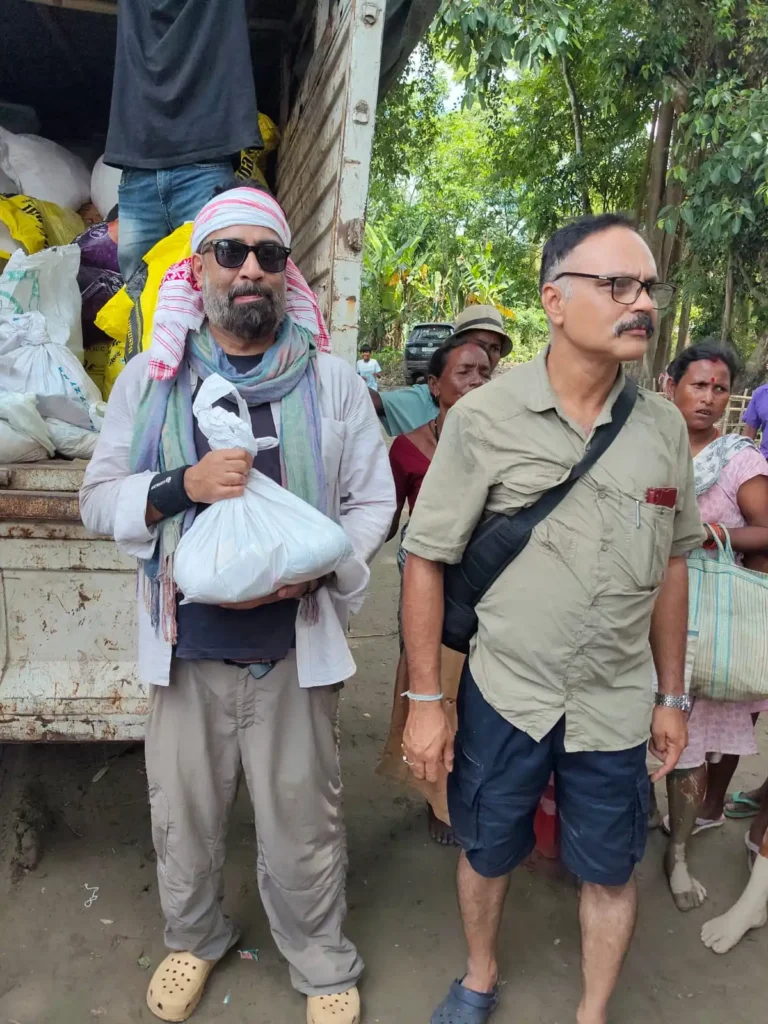
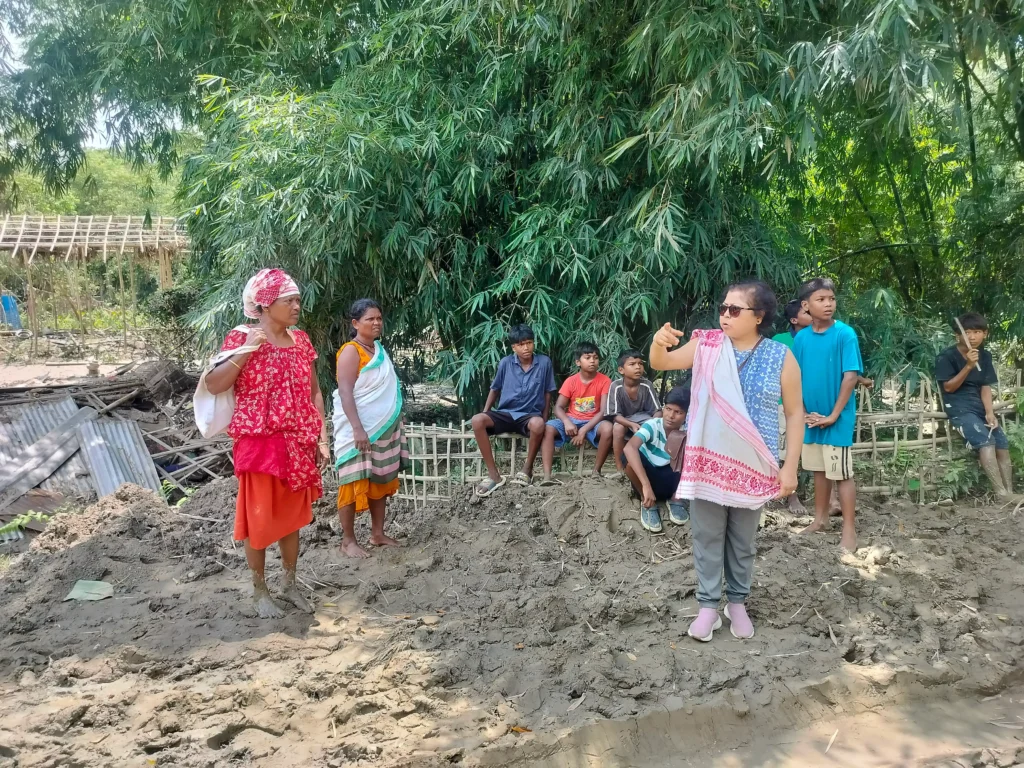
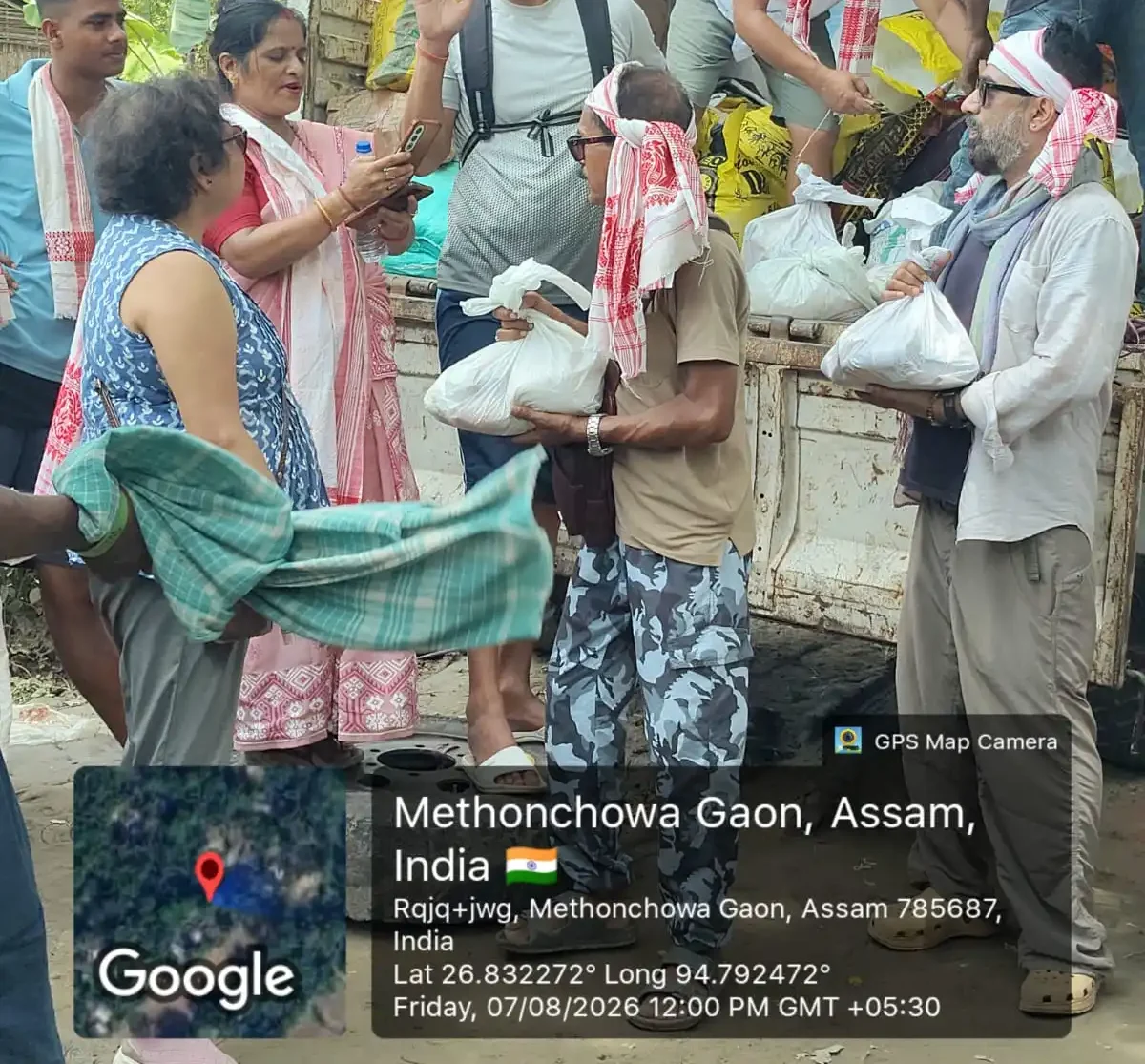
Amitabh Sarma: On the 7th of August, we ran a relief camp across Sibsagar and Charaideo — two of the districts hit hardest this monsoon — through Prasesta Foundation, where I'm a member. We went village to village rather than setting up a single collection point and hoping people found their way to us: Nepali Khuti, Sumoni Village, Bihubor Kamal Sapori, Chantak. Some of these are sapori settlements, river-island communities that flood first and get reached last, so reaching them wasn't optional if the effort was going to mean anything. We carried food, clothing, medicines, and household essentials — the unglamorous list of things a family actually needs to get through the next fortnight, not just the next news cycle. And this isn't a one-time gesture we can point to and move on from; we're already planning the next round of camps, because a flood that keeps rising for weeks doesn't respect a single day's headlines.
The Newswire: Floods make headlines. Annadaan Sewa, feeding cancer patients and their families in Guwahati, mostly doesn't. Tell me about that.
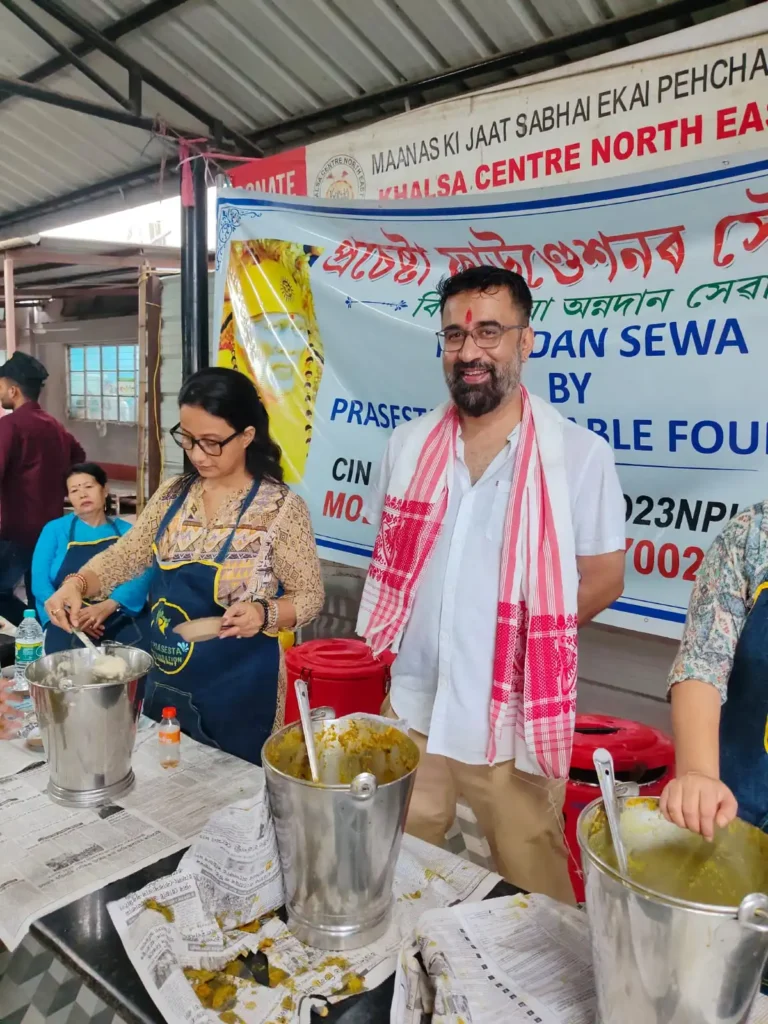
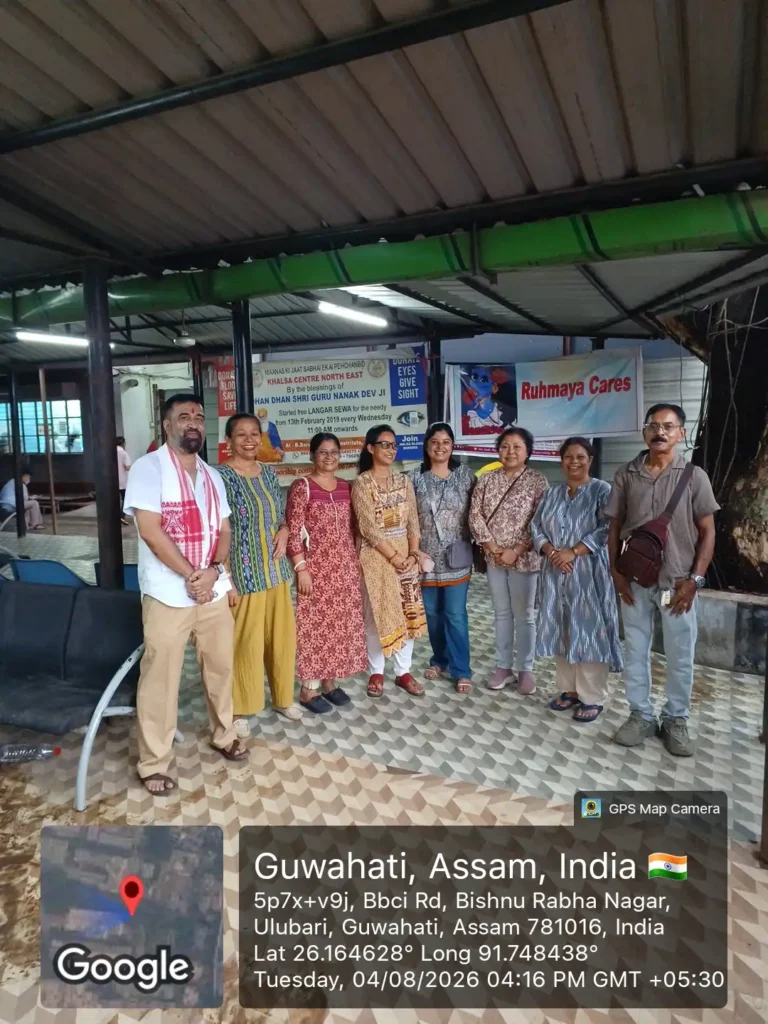
Amitabh Sarma: Through Prasesta Foundation again — I support Annadaan Sewa both financially and as a volunteer, which means I'm not just writing a cheque and staying home. It's organised at the premises of Dr. B. Barooah Cancer Institute in Arya Nagar, Guwahati, and we recently completed our forty-fifth edition, serving lunch to around four hundred people in a single sitting. There's no personal story behind why I do this — no family history I'm working through — and I think that's worth saying plainly rather than manufacturing a tragedy I didn't live through. What keeps me returning is simpler and harder to put a number on: the specific, uncomplicated relief on someone's face when, in the middle of a cancer diagnosis, a hot meal shows up and for twenty minutes they don't have to think about hospital logistics. You can't put that in a pitch deck, but it's the closest thing I have to a favourite part of the week.
The Newswire: Prasesta Foundation shows up in both stories — floods and cancer care. Is that where most of your philanthropic energy actually lives?
Amitabh Sarma: Largely, yes, alongside what AIPL and Eventours Travels do in their own lanes. I'd rather go deep with one organisation I trust and show up consistently than scatter myself thin across a dozen causes for the optics of a diverse portfolio. Prasesta gives me both — urgent, visible relief work when a disaster demands it, and quiet, recurring service the rest of the year. Forty-five editions of Annadaan Sewa aren’t a headline; it's a habit. I think habits are underrated in how people judge sincerity.
The Newswire: Should disaster response really depend on the goodwill of private businesses, or is that a symptom of something the state should be handling entirely on its own?
Amitabh Sarma: I don't think it's an either-or, and I'd resist the framing that private involvement means the state is failing. Japan runs one of the most effective disaster cultures in the world, and a huge part of it isn't purely governmental — it's neighbourhood-level preparedness, local businesses stocking supplies, community drills that treat disaster response as a shared civic muscle rather than someone else's department. Government sets the framework, deploys at scale, and coordinates — that's a job only it can do. But the first hour after a flood breaches a village is usually decided by whoever's already nearby with a boat, a truck, or a warehouse of dry rations. I'd rather businesses like mine be ready to be that "whoever," than wait for a mandate to be nearby.
The Newswire: When politicians talk about development in the Northeast, they usually mean highways and GDP figures. When you use the word, what do you actually mean?
Amitabh Sarma: I measure it in far smaller units. Whether an ambulance can actually reach a village during monsoon season, not just on a dry-season site visit. Whether a homestay owner's daughter near a wildlife corridor has a real shot at an engineering degree because tourism revenue made that possible. Highways and GDP are the scoreboard; dignity and mobility for individual families are the actual game. I'm not against big numbers — I build infrastructure for a living, I love a good number — I just don't let them substitute for the smaller, harder-to-measure ones.
The Newswire: Last one before we let you get back to your spreadsheets. What does the rest of India — or the world — consistently get wrong about the Northeast?
Amitabh Sarma: That "remote" is a fact rather than a marketing failure. The Northeast isn't hard to reach; it's under-explained. People will happily fly fourteen hours to see rainforests and river deltas elsewhere in the world, then describe an overnight train to Guwahati as an expedition. My quiet ambition is to make the region so well understood that "Seven Sisters" stops being a geography lesson people vaguely recall from school, and starts being somewhere on their actual shortlist.
The Newswire: Fast-forward twenty years. What's the one line you'd want written about you?
Amitabh Sarma: Something like: "He built roads people trusted and holidays people remembered — and somewhere in between, he made sure fewer people had to face a flood or a hospital corridor alone." I'm not precious about the wording. I just want the "alone" part to be true.
2026 Assam Flood Scenes
Candid Captures from the devastating loss of lives and property in Assam
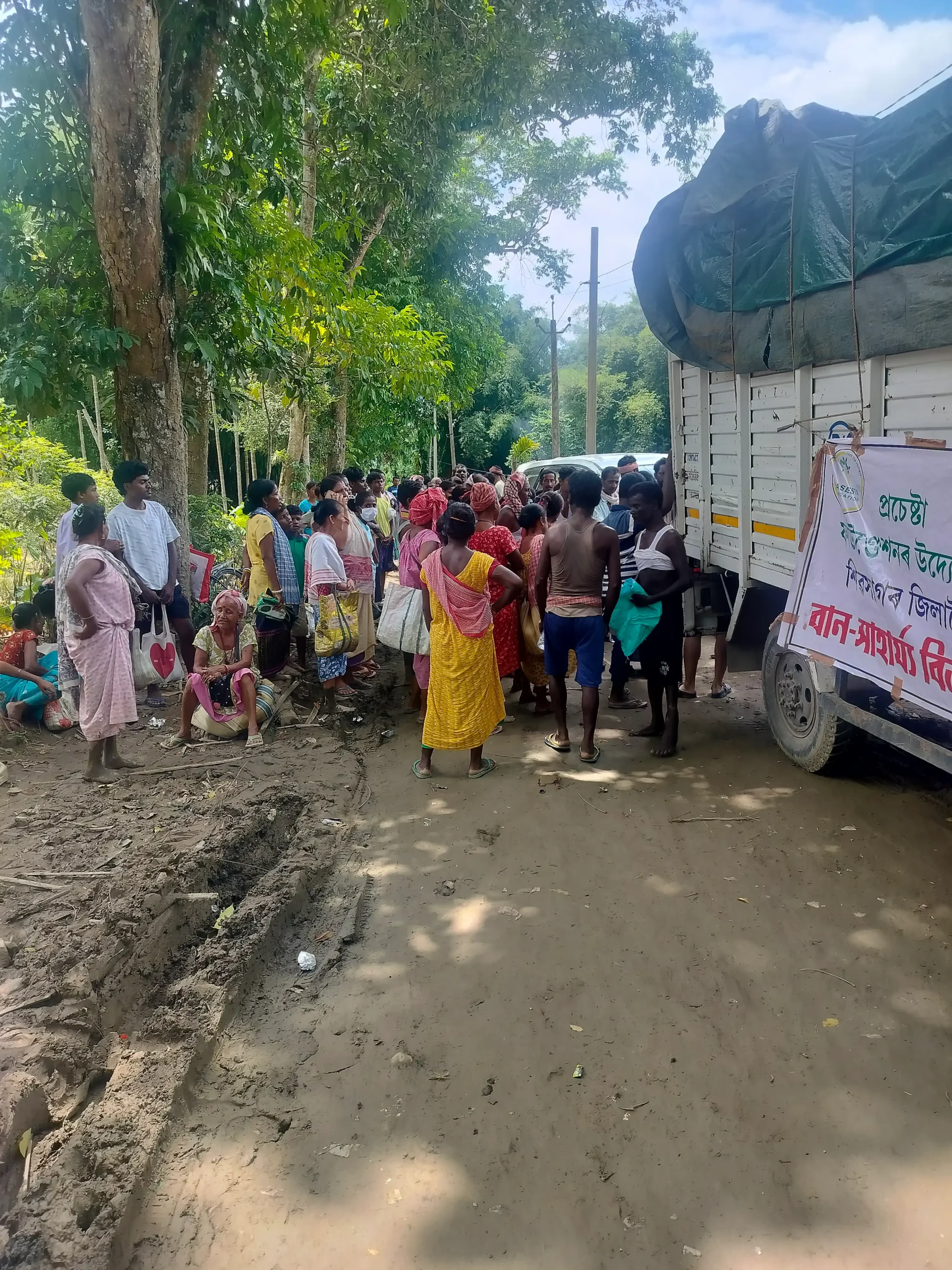
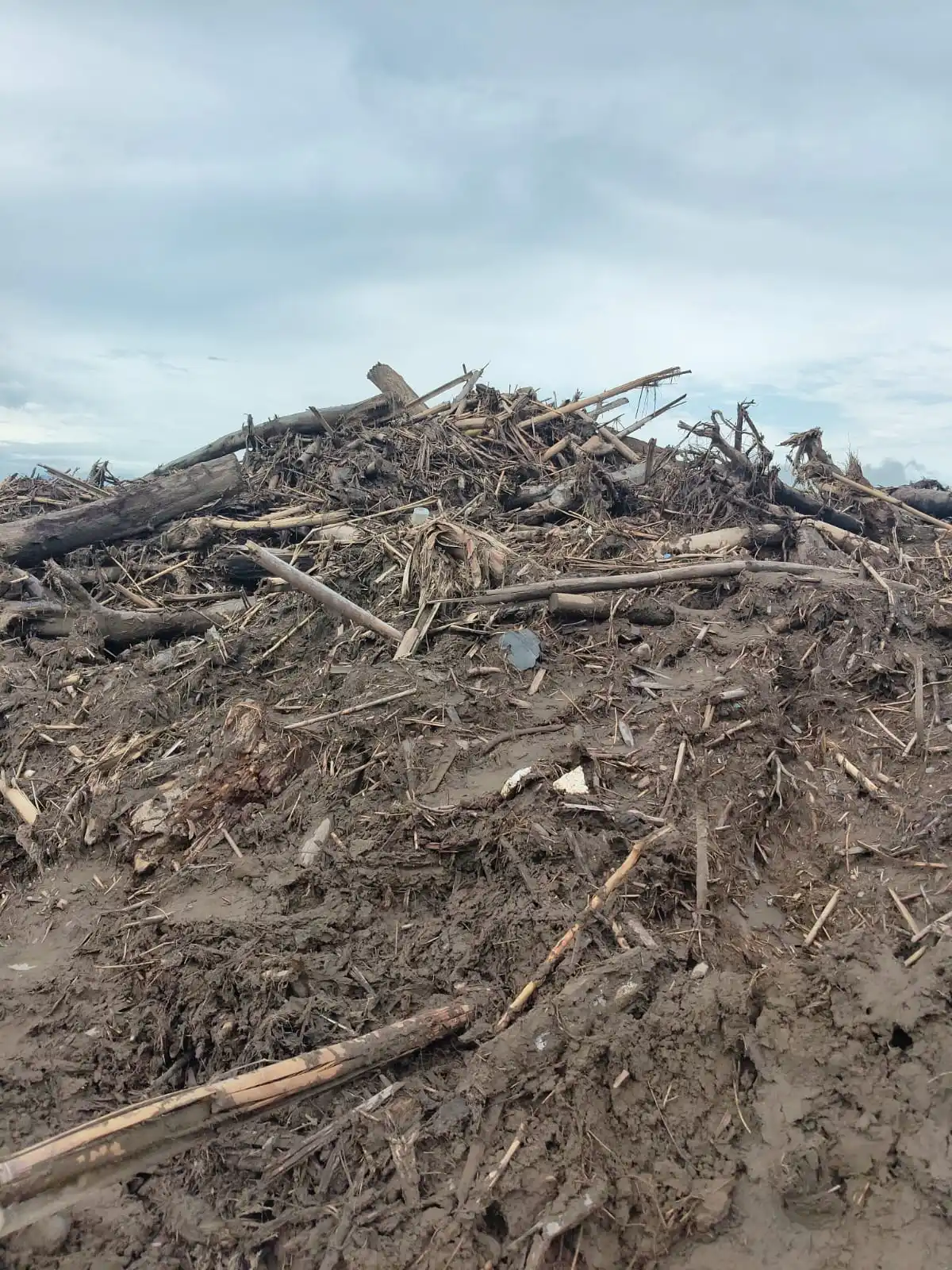
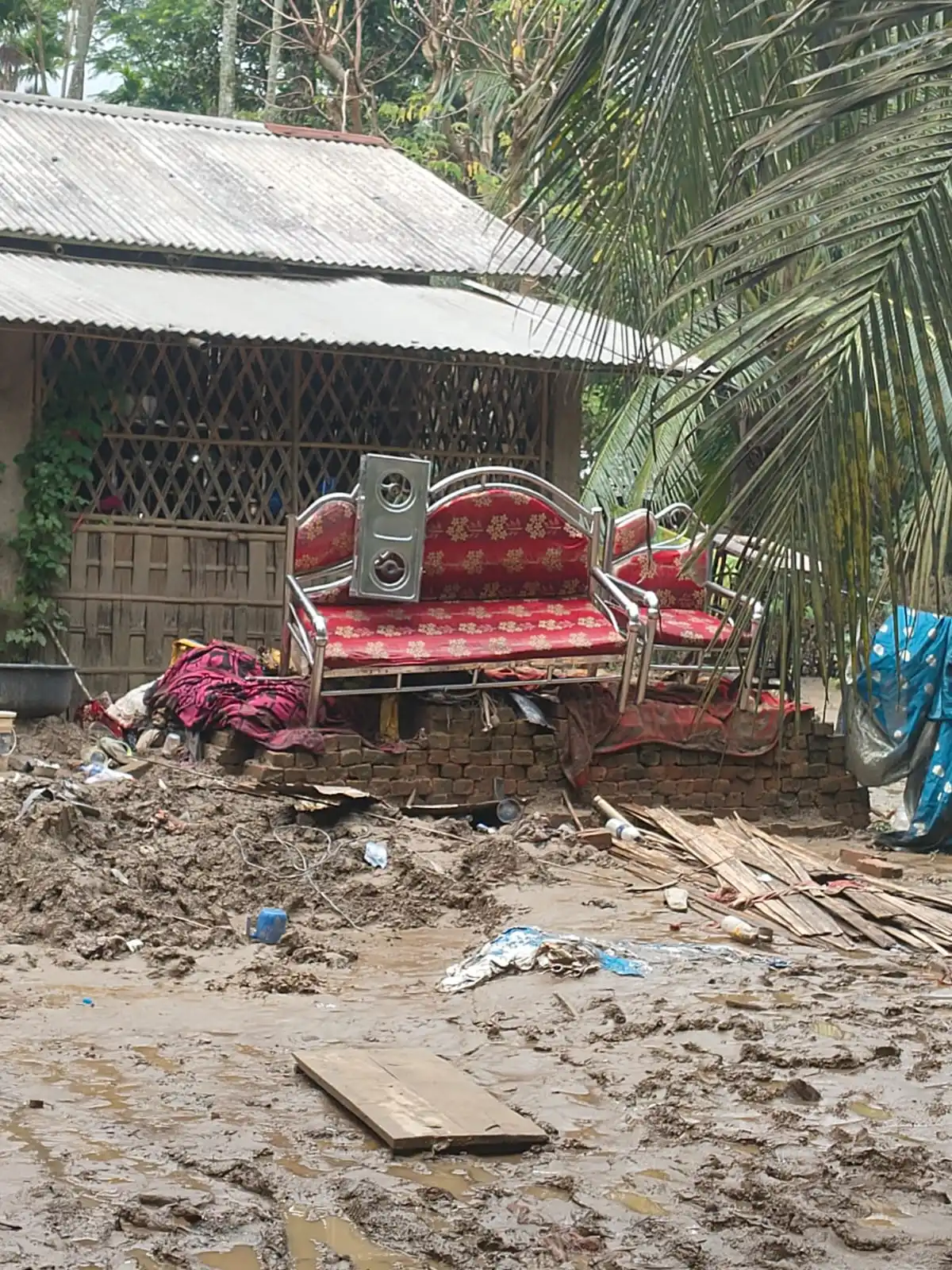
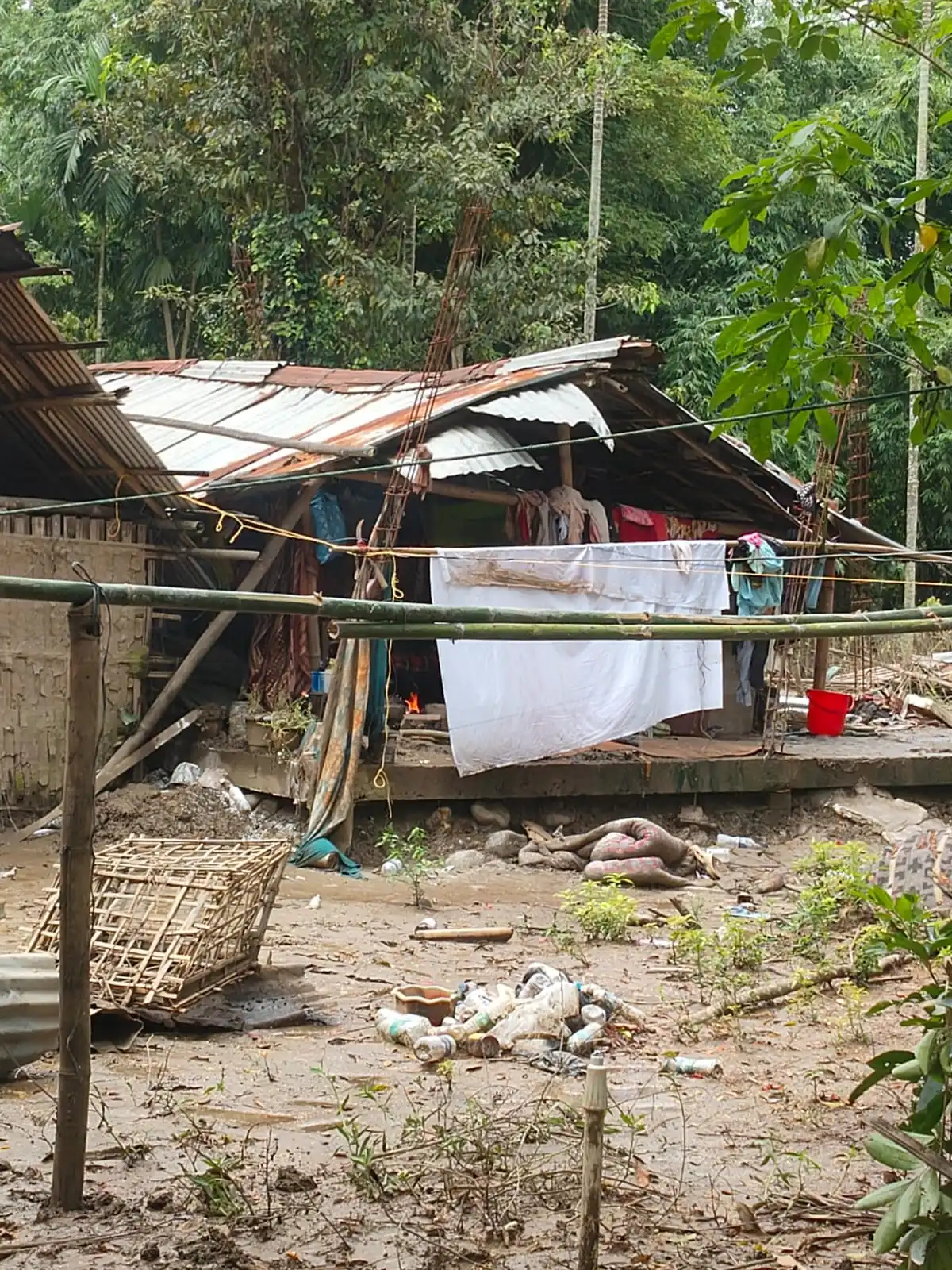
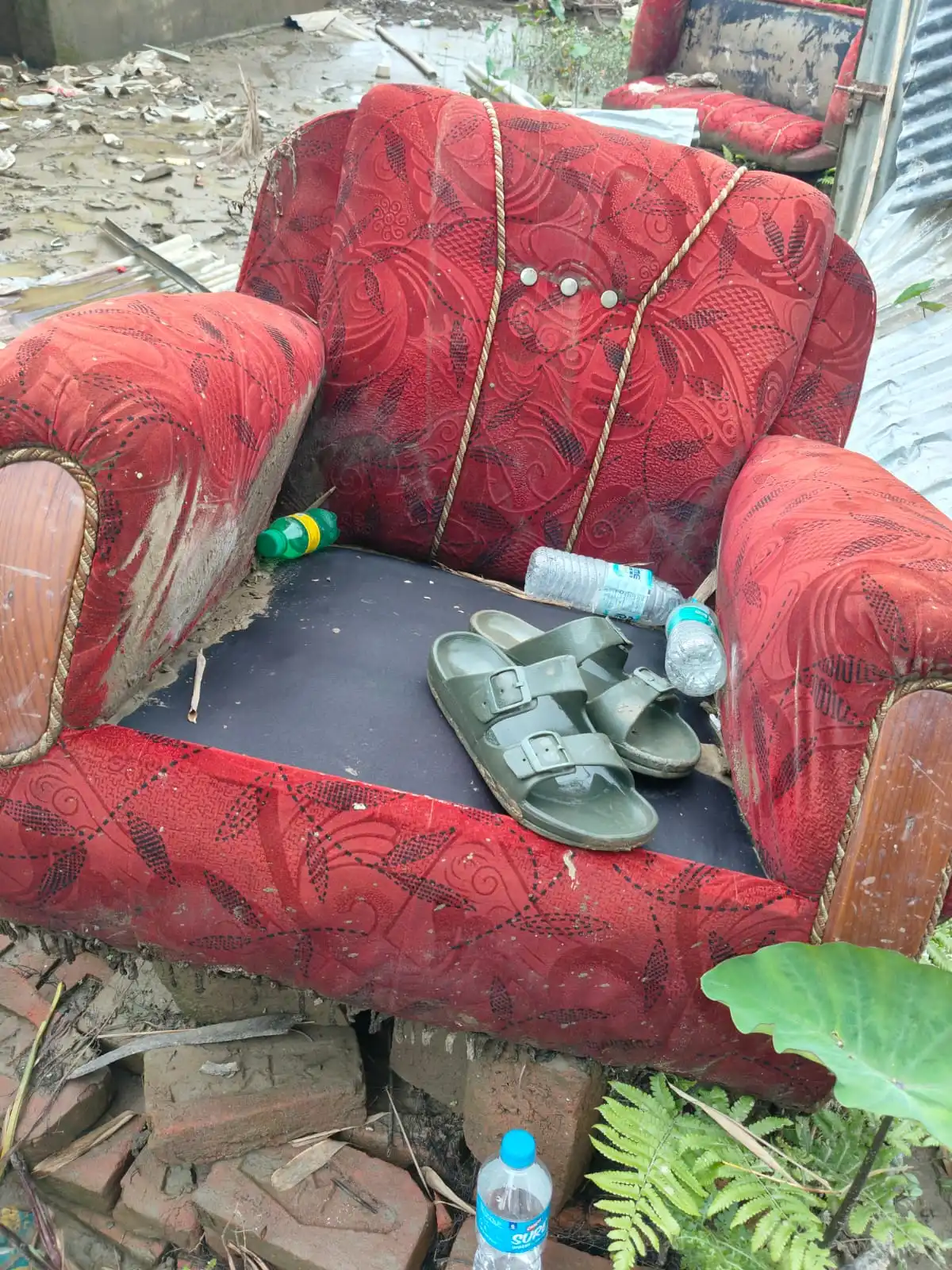
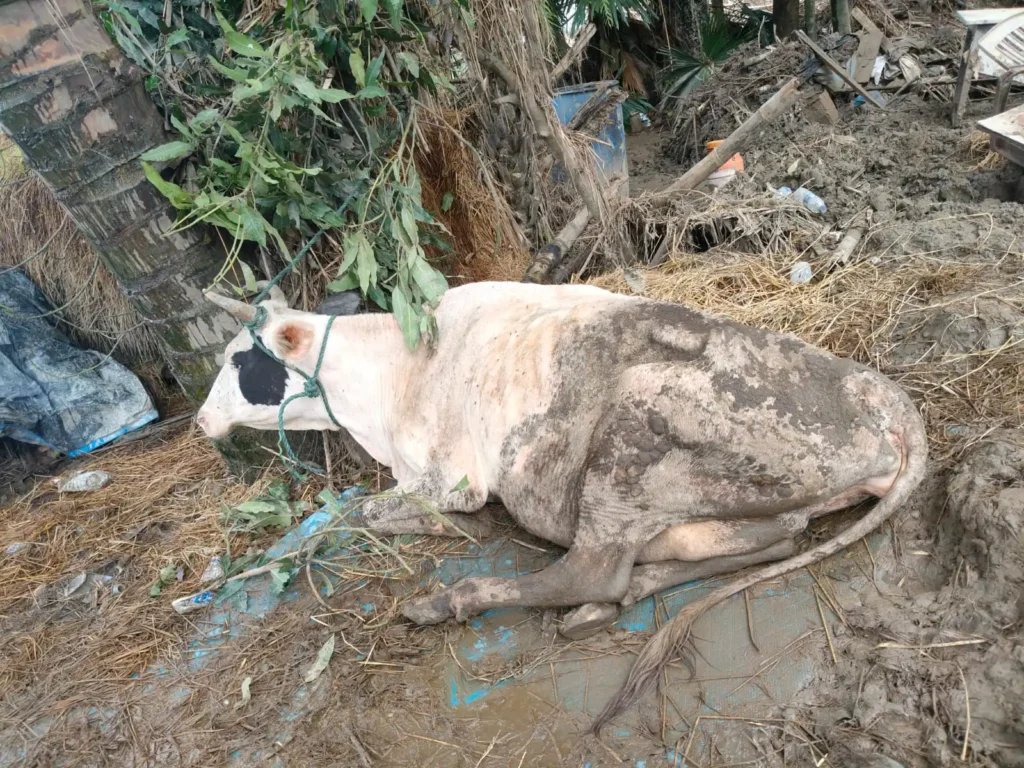
May God save us from this misery.
Most founders in infrastructure don’t also run a travel company. Sarma does both, and his explanation for why is more interesting than the usual diversification pitch: one removes the physical friction holding the Northeast back, the other removes the perceptual one — the idea that this region needs a special reason to visit rather than being reason enough on its own.
The interview covers his vision for Northeast India, what Assam’s new Start-up & Innovation Policy actually means on the ground, and which global best practices — from Dutch flood management to Bhutan’s tourism model — he thinks are worth studying, without ever taking a swipe at anyone doing it differently.
What stood out most, though, was the part he doesn’t usually talk about. On 7th August, his team was in Sivasagar and Charaideo running relief camps through Prasesta Foundation, reaching villages like Nepali Khuti and Bihubor Kamal Sapori. And this was their 45th Annadaan Sewa — serving lunch to 400 people at Dr. B. Barooah Cancer Institute, something they’ve clearly been doing quietly for a long time before anyone thought to write about it.